As modern high-speed designs push into multi-gigabit and higher data rates, engineers rely on multiple signal integrity (SI) metrics to evaluate interconnect performance. Among these, time-domain reflectometry (TDR) remains one of the most direct methods for identifying controlled impedance and discontinuities.
A TDR plot shows the impedance profile the signal sees as it travels down the interconnect. Figure 1 shows an example of the impedance of a differential pair, and the impedance a signal sees as it travels from the pins of the chip outward.
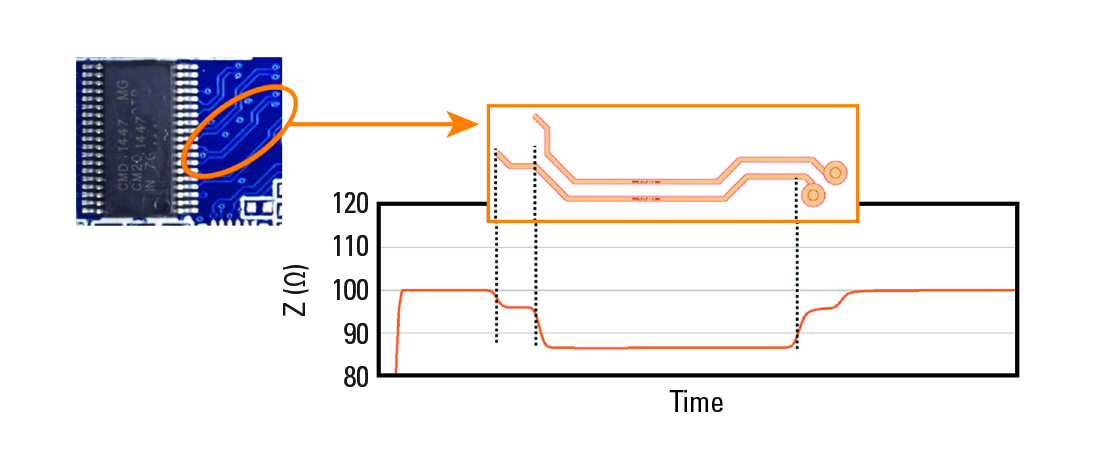
Fig. 1 An illustration of a differential pair and its corresponding TDR plot. The picture of the board is from an open-source board.1
The impedance of the differential pair is initially higher due to the wider separation of the two traces. The TDR presents a direct method for identifying the impedance and length of the 85 Ω interconnect.
When Two TDRs Do Not Match
There are two primary approaches for obtaining a TDR response:
1. Measurement in the time domain using a sampling scope
2. Simulation from measured frequency-domain S-parameters.
In principle, both methods should yield identical impedance profiles. In practice, differences in S-parameter quality, bandwidth, and simulation setup can lead to noticeable discrepancies, as shown in Figure 2. The poor quality of the S-parameter data and improper simulation parameters caused the two traces to differ.
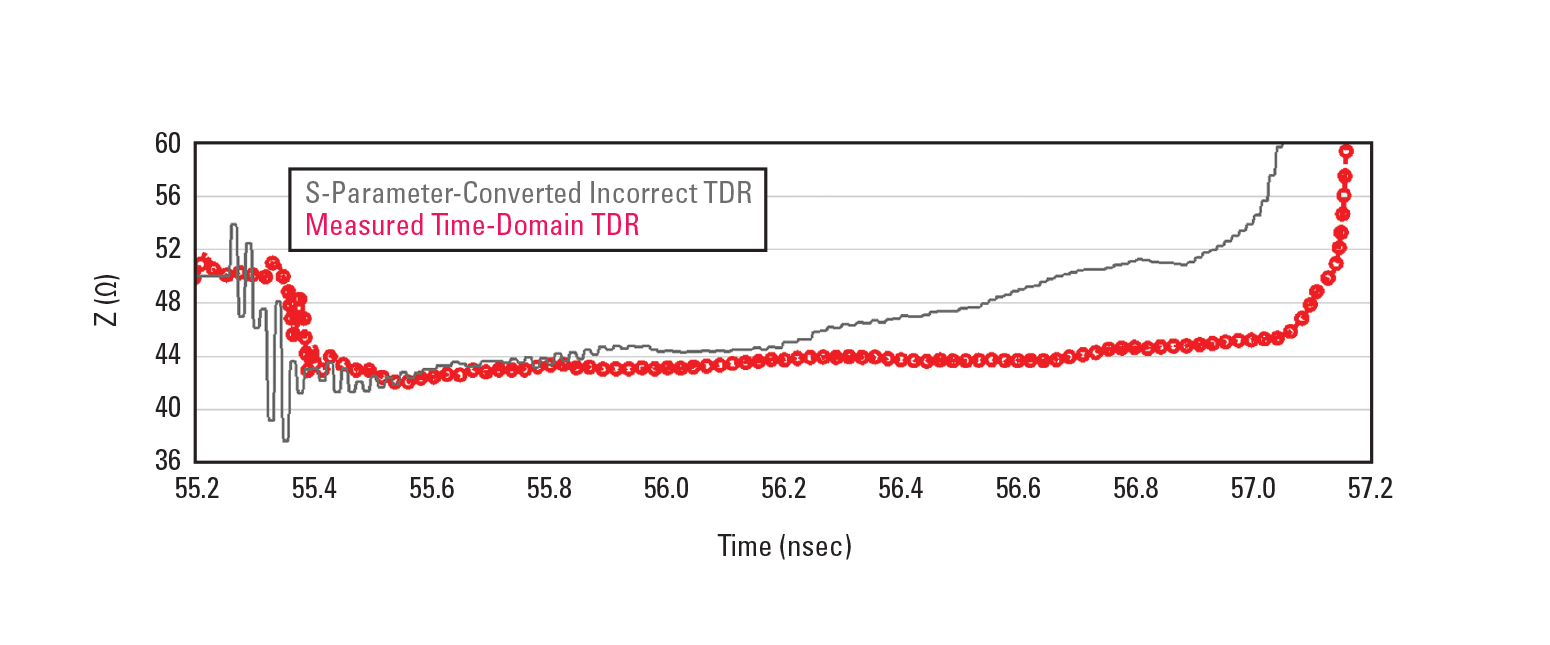
Fig. 2 The converted TDR (gray) appears different from the measured, time-domain TDR (red).
This article first establishes a structured setup for converting measured frequency-domain data into a time-domain TDR response. Using an appropriate setup, various S-parameter properties and their impact on the TDR results are examined. Finally, it is concluded with a practical methodology that facilitates a reliable frequency-to-time TDR conversion process.
This article presents a structured workflow for correlating time- and frequency-domain TDR analysis. Using this methodology, a simulated TDR generated from measured S-parameter data correlates with time-domain measurement within ±2.6%, as shown in Figure 3. The high quality of the S-parameter data and the appropriate transient simulation setup enable a strong correlation between the two. Correlation was evaluated using the maximum impedance deviation between the simulated and the measured trace.
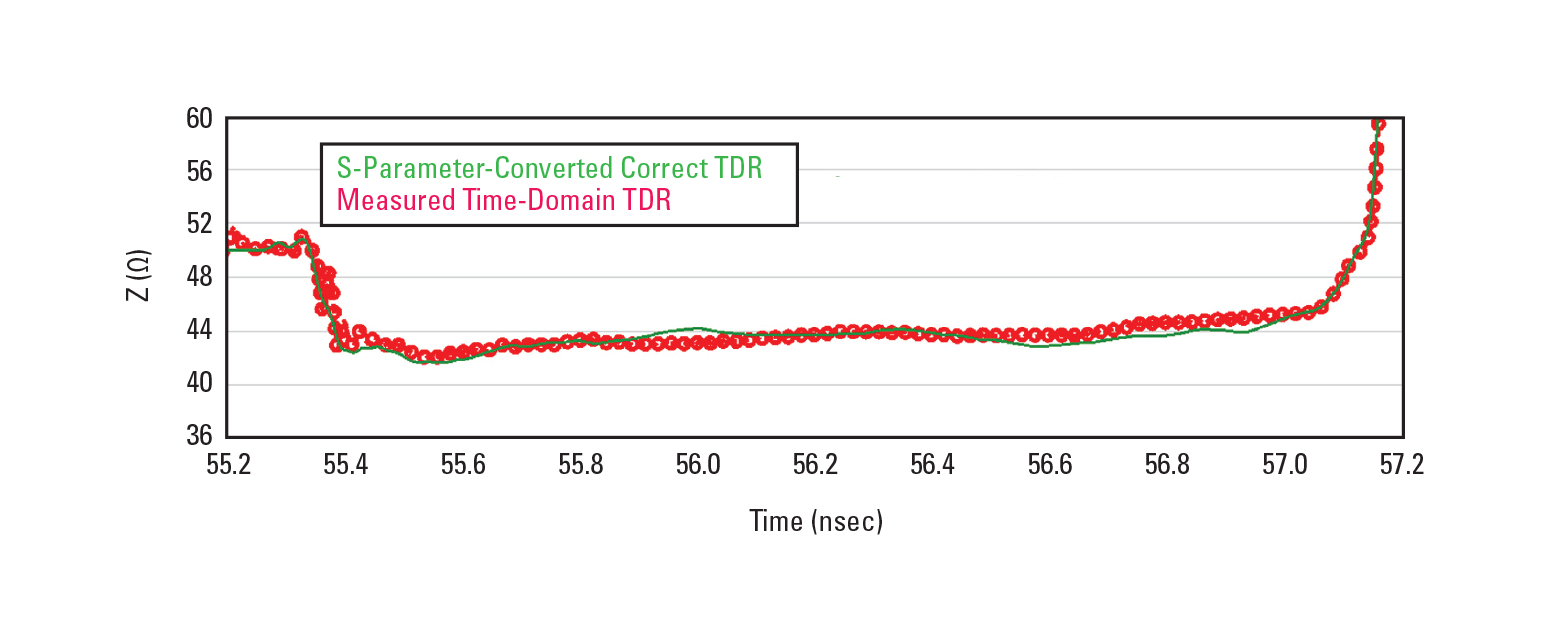
Fig. 3 The converted TDR (green) is within ±2.6% of the measured time-domain TDR (red).
Bridging Two Domains: From Frequency to Time
Whether using a sampling scope or a vector network analyzer (VNA), the objective remains the same: to reveal the impedance profile of the interconnect. The sampling scope provides a direct time-domain snapshot, while the VNA captures frequency-domain behavior that can be converted to time using a transient simulation.
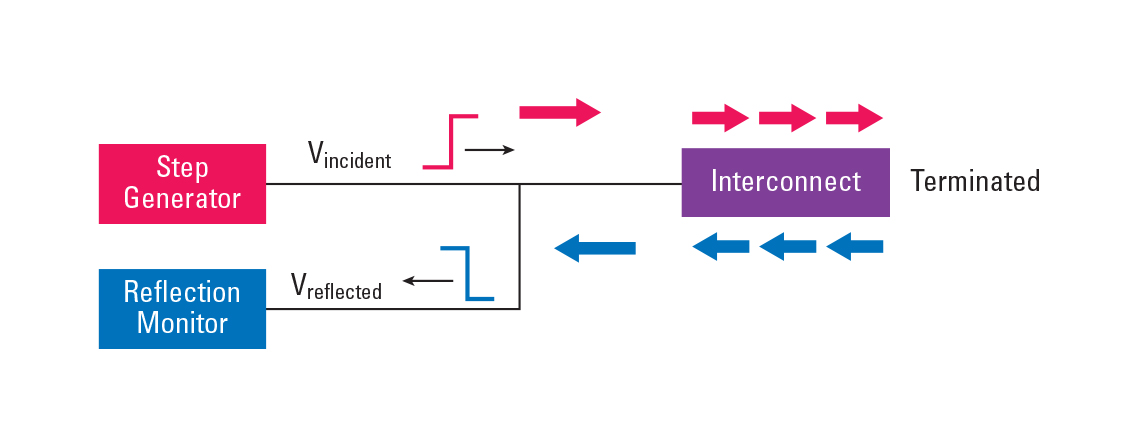
In a typical TDR measurement with a sampling scope, as shown in Figure 4, a voltage source with a 10-90 rise time launches an incident step into the device under test (DUT). Discontinuities along the interconnect reflect part of this signal, and the reflection monitor at the source records the resulting voltage. From these voltages, the reflection coefficient and corresponding impedance profile are calculated.2
Fig. 4 An illustration of the step edge generation and the reflection monitoring in a TDR measurement instrument.
Not every SI lab is equipped with a TDR instrument, but most have a VNA. The VNA’s measured S-parameters can reproduce the same insight by applying an inverse Fourier transform to obtain the impulse response. During a transient simulation, this impulse response is convolved with the source step waveform to generate the TDR response, as shown in Figure 5.
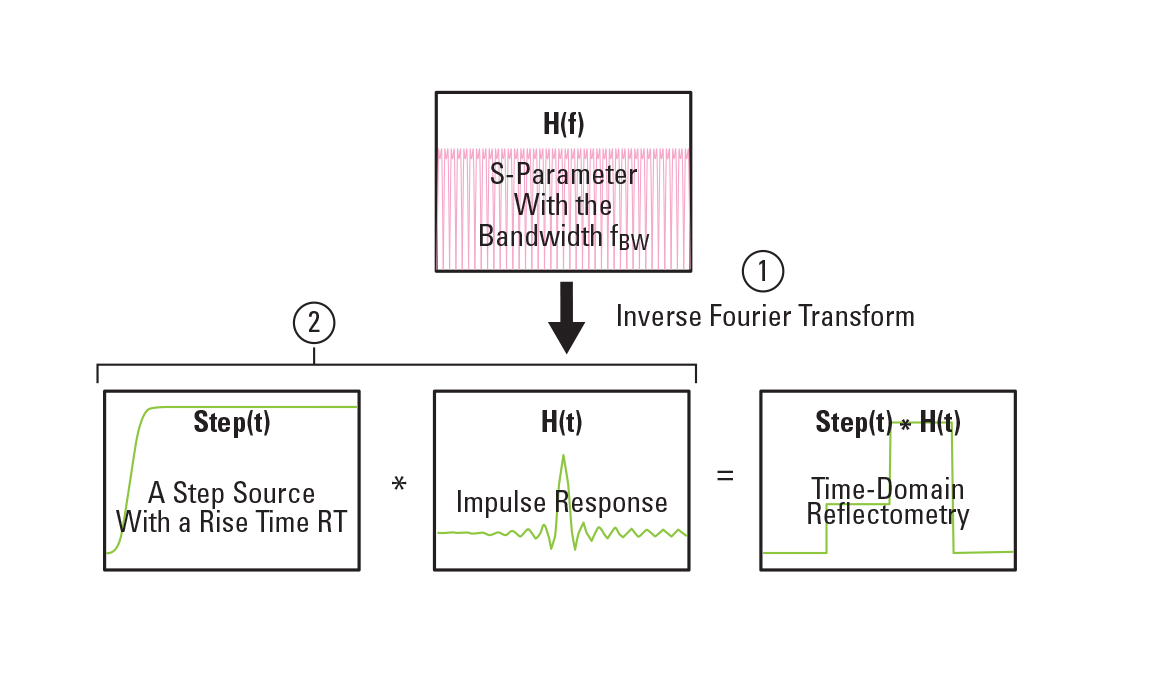
Fig. 5 An illustration of the general process to produce a TDR with a given S-parameter data.
Shorter Rise Time Translates to a Higher Bandwidth
In a TDR measurement setup with a step edge, the rise time is an important parameter. With a shorter rise time, the TDR can resolve smaller physical features that introduce impedance discontinuities. A shorter rise time corresponds directly to a broader frequency spectrum and therefore higher effective bandwidth.
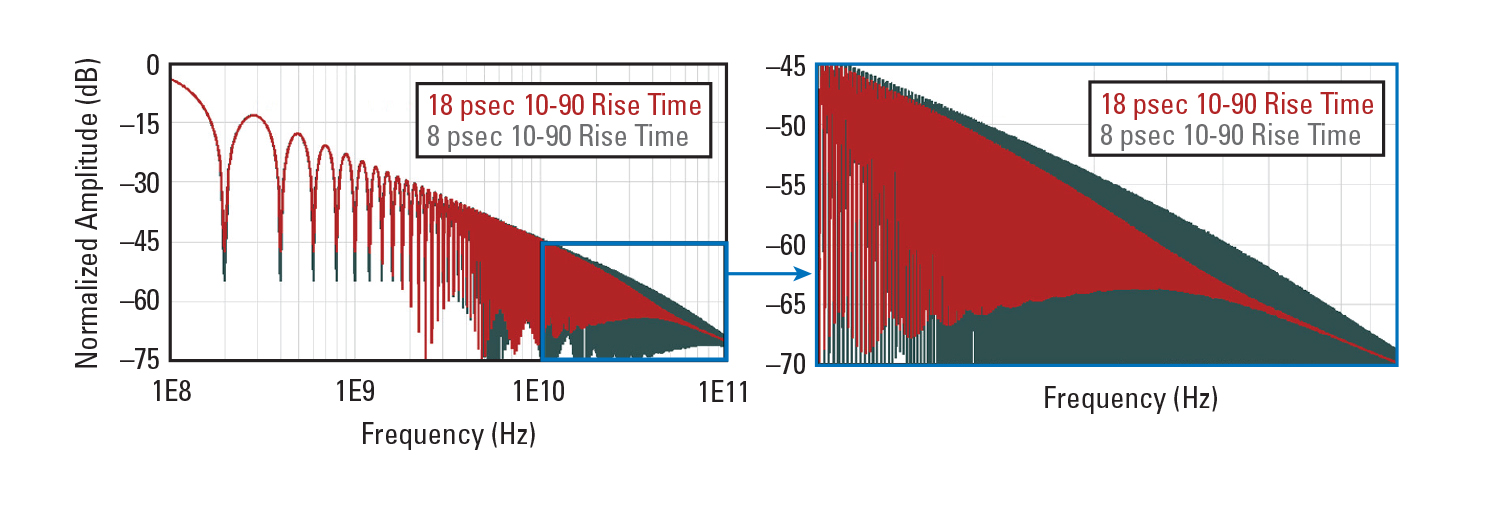
According to the specification of the TDR instrument,3 an 18 psec 10-90 rise time corresponds to approximately 35 GHz of bandwidth, while a step edge with an 8 psec rise time has a bandwidth of 50 GHz. The simulated spectrum comparison of the two different rise times in Figure 6 confirms that a shorter rise time corresponds to a wider bandwidth.
Fig. 6 The simulated and normalized spectrum of two steps with different rise times, 8 psec and 18 psec.
Figure 6 further illustrates that, in a transient simulation, the step rise time must be constrained by the available S-parameter bandwidth. If the step source has a rise time corresponding to a 50 GHz bandwidth, S-parameter data with a 40 GHz bandwidth would cause the simulation result to have an unexpected simulation artifact. The graph shows that there is more high-frequency content when the step has a shorter rise time. As a result, the step edge with shorter rise time has a higher bandwidth.
The Hidden Influencers: Bandwidth, Step Size, Causality, and Passivity
Because the measured S-parameter data is the focus of the transient simulation, careful examination of the properties of the S-parameter is critical in producing quality TDR plots.
Simulated TDR impedance correctness is fundamentally limited by the integrity of its input S-parameters. The following properties critically influence the outcome:
- Bandwidth: determines the smallest impedance features the TDR can resolve
- Frequency step: affects the impedance accuracy
- Causality: ensures correct timing of the TDR
- Passivity: ensures no energy generation; violations yield higher impedance
- Reciprocity: less critical for TDR since reflections, not transmissions, dominate the measurement.
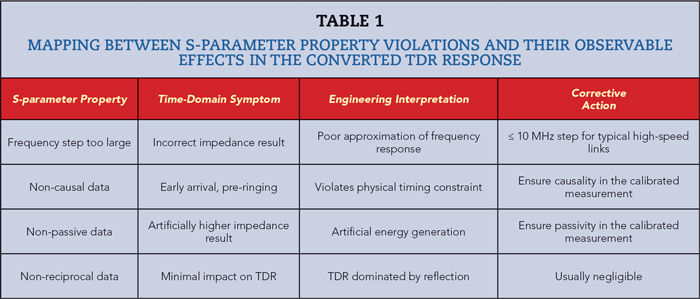
Table 1 consolidates the S-parameter properties, their resulting time-domain artifacts, and the practical mitigation strategies required for accurate frequency-to-time conversion.
Frequency Bandwidth Determines the Shortest Rise Time
Assume there is measured S-parameter data with a 40 GHz bandwidth. This data is passive, causal, and reciprocal. If one simulates this measured data with a 40 GHz bandwidth with a step that has a higher bandwidth (short rise time), one expects the Gibbs phenomenon/Gibbs effect to be present. Figure 7 gives a pictorial representation.
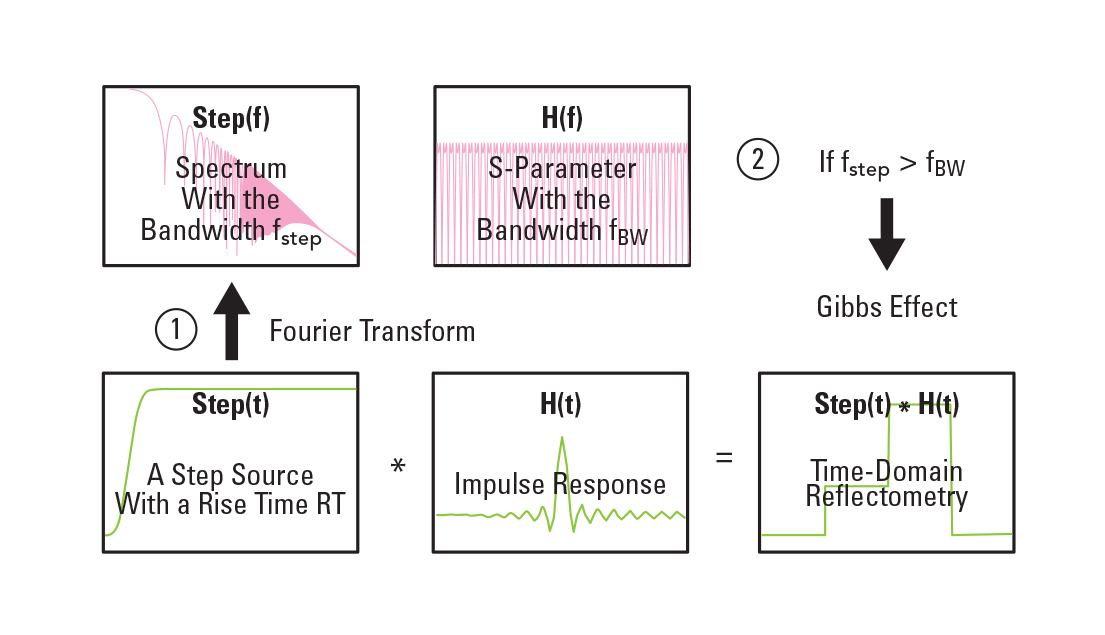
Fig. 7 When the corresponding spectrum of the step source has a higher bandwidth than the S-parameter data, the resulting TDR is expected to have the Gibb effect, a frequency-to-time domain conversion ringing artifact.
The difference between the source bandwidth and the bandwidth of the measured data causes the Gibbs effect. Although the Gibbs effect originally describes the ringing when one approximates a discontinuous function with jumps (a square wave) with a finite Fourier series,4 the term has now become a descriptor for the ringing artifact when working with the frequency and time domains.
The Gibbs effect shows up in the TDR plot as ringing in the impedance plot, especially when there are impedance discontinuities, as shown in Figure 8. The difference between the higher source bandwidth and the bandwidth of the data causes the Gibbs phenomenon, which appears as ringing.
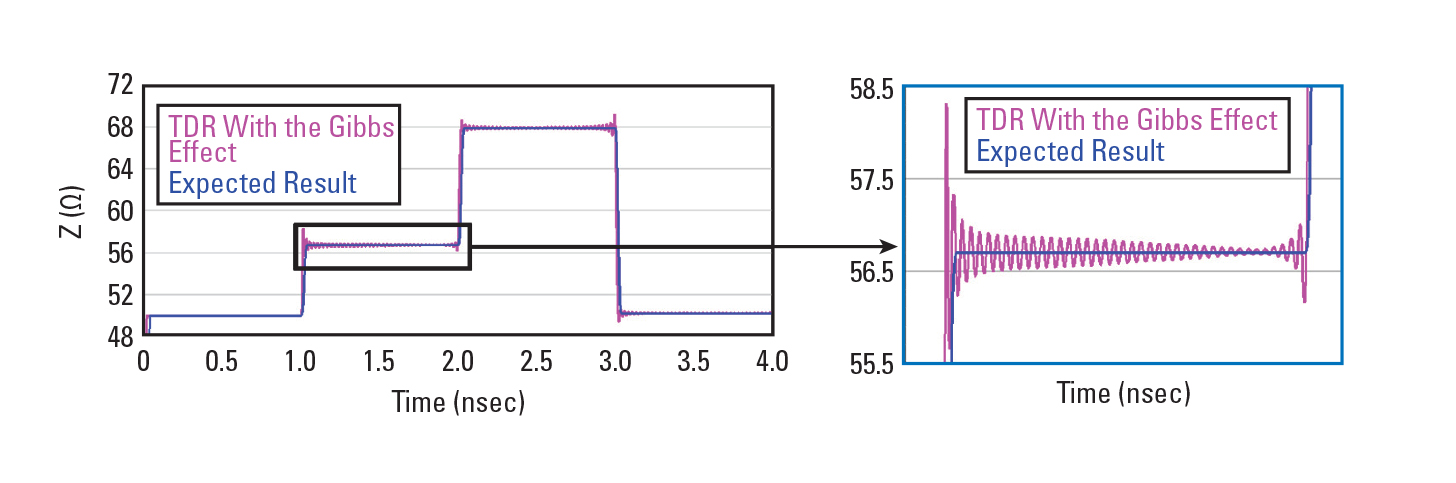
Fig. 8 A comparison between an expected TDR result and one with the Gibbs effect.
To avoid the Gibbs effect in the TDR result, the step rise time must be short enough to resolve small features, yet not so short that it exceeds the S-parameter bandwidth. Figure 9 shows the TDR result after simulating a 40 GHz bandwidth S-parameter with a step source that has a correct rise time configuration. A shorter rise time produces better TDR resolution, but it cannot be so short that the step source bandwidth exceeds the bandwidth of the S-parameter data.
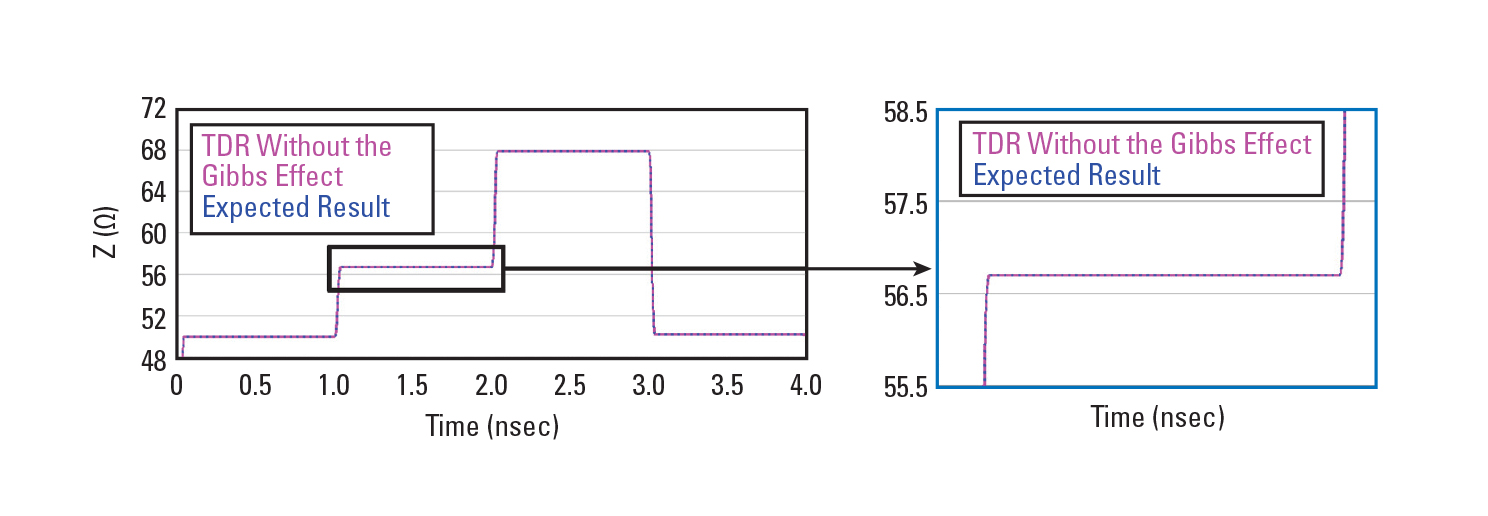
Fig. 9 By choosing the optimal rise time, one achieves the best impedance and length resolution while avoiding the Gibbs effect.
In practice, begin by setting the rise time according to the equation,
RTopt=k/fBW,
where RTopt is the optimal rise time, fBW is the S-parameter bandwidth, and k is the constant that provides the shortest rise time without producing the Gibbs effect. The constant, k, depends on the transient solver implementation and numerical windowing behavior. Verification that the resulting TDR waveform is free from artificial ringing is important.
In addition to the rise time, when defining the step edge for simulation, it is important to use an edge shape that resembles the actual TDR instrument. A real instrument’s step edge follows a smooth transition rather than a linear slope. If possible, one should avoid using a linear edge to approximate the transition, as it can introduce unrealistic high-frequency components.
Fine Frequency Step Produces the Correct TDR Representation
The S-parameter data represents the frequency response of the DUT. The theoretically correct representation is one with infinite bandwidth and with an infinitesimal frequency step. In practice, S-parameter measurement produces an approximation of the frequency response because the bandwidth of the data is finite, and so is the frequency step.
Because measured S-parameters are discrete approximations of a continuous frequency response, one expects that as the frequency step becomes sufficiently large, the approximated frequency response of the DUT no longer accurately reflects its behavior. For the same reason, one expects this wrong approximation to also appear in the TDR response (see Figure 10). This incorrect representation in the frequency domain translates to an incorrect TDR result in the time domain. For typical high-speed interconnects, a frequency step of 10 MHz is considered acceptable when capturing S-parameter data.
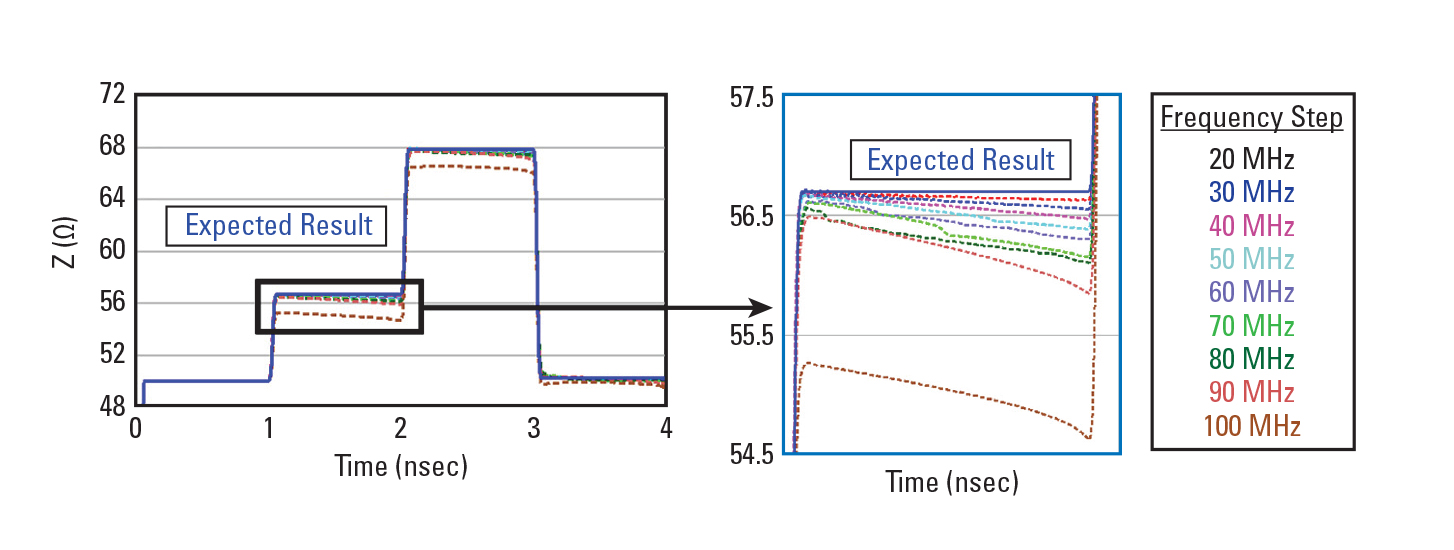
Fig. 10 If the frequency step becomes sufficiently large, the S-parameter data no longer correctly represents the device under test.
Non-Causality Introduces Incorrect TDR Impedance and Timing
A causal system is a system whose output at any given time depends only on the present and past inputs, not on future inputs. In a causal system, the effect cannot precede the cause. Interconnects are causal systems, and the S-parameter data representing them should also be expected to be causal.
TDR simulation using non-causal S-parameter data will exhibit incorrect timing behavior. Figure 11 demonstrates the timing impact of the non-causality in the S-parameter data. The non-causality also leads to erroneous impedance dips and bumps.
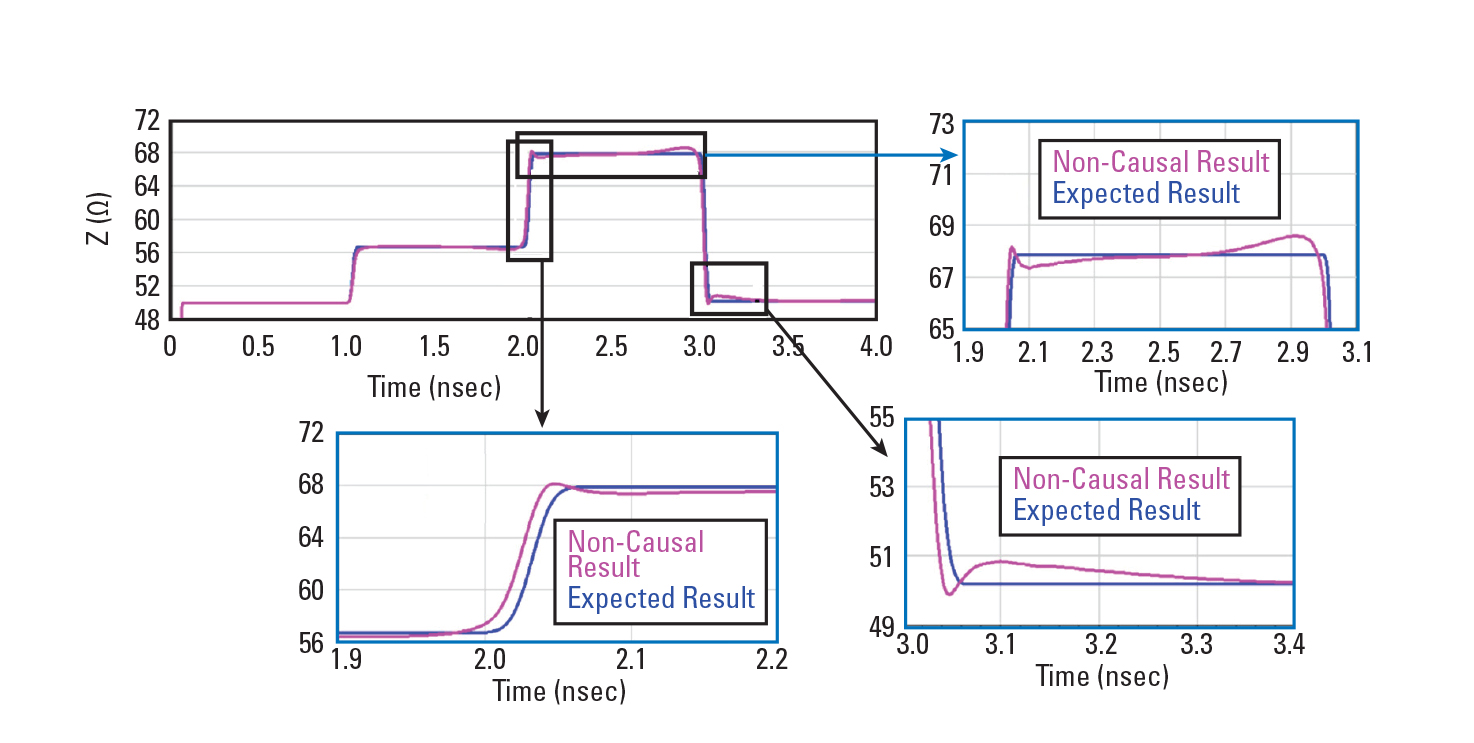
Fig. 11 A transient TDR simulation indicates that non-causal S-parameter data not only results in early timing, but it can also produce erroneous impedance dips and bumps in the TDR.
Non-Passivity Creates Higher Impedance Readings
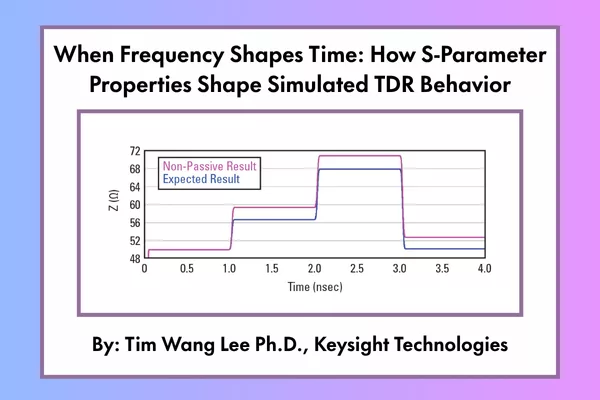
When a system is passive, it only consumes energy and does not produce any energy. Interconnects are passive and should not produce energy. If the S-parameter data violates passivity, the resulting TDR will exhibit artificially higher impedance due to non-physical energy gain.
Figure 12 confirms the higher impedance when non-passive S-parameter data was used in a TDR simulation. The non-passivity increases the impedance of the TDR.
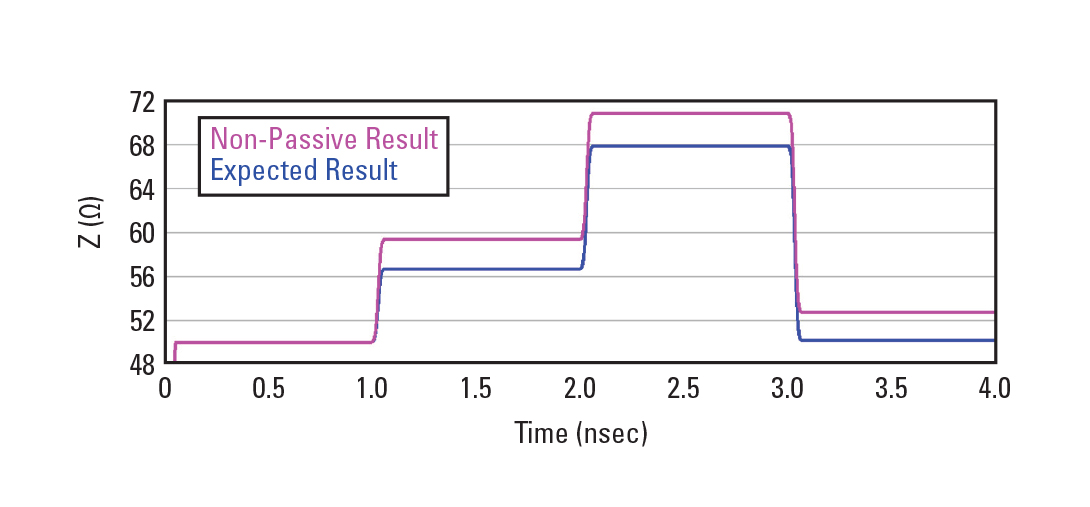
Fig. 12 A transient TDR simulation confirms that non-passive S-parameter data results in an erroneous impedance increase in the TDR.
TDR is Not Sensitive to Non-Reciprocity
A reciprocal system is one where the forward transmission and the reverse transmission are identical. Interconnects are generally reciprocal. In TDR analysis, reciprocity plays a limited role because the response is dominated by reflections rather than transmission paths.
Because the focus of TDR is on the reflected voltages, rather than the transmitted ones, the TDR result should not be sensitive to whether the forward and reverse transmissions match each other. Figure 13 confirms that the TDR simulation with non-reciprocal S-parameter data remains consistent with the expected results.
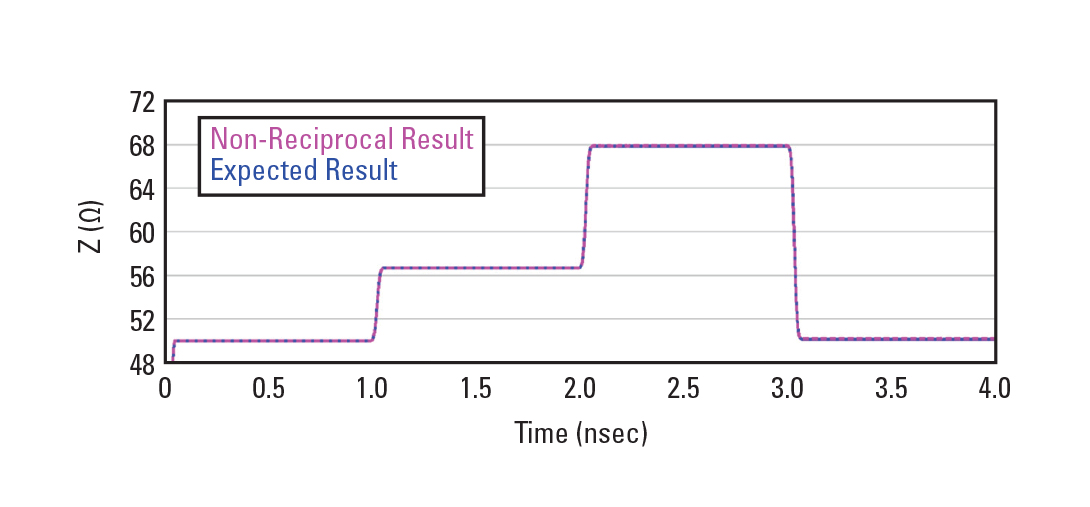
Fig. 13 A transient TDR simulation confirms that the TDR result is not sensitive to the reciprocity of S-parameter data.
Shaping Time with Care: Best Practices for Reliable Conversion
Producing a reliable TDR from frequency-domain data requires attention to both the integrity of S-parameter data and the simulation setup. The following practices enable reliable frequency-to-time conversion:
1. Validate S-parameter integrity
Confirm fine frequency steps, adequate bandwidth, and verified passivity and causality. These ensure that the S-parameter model is physically accurate and minimizes simulation artifacts.
2. Use an appropriate step edge
Apply a smooth step that reflects the real TDR instrument’s transition shape. Avoid using a linear ramp, which introduces unrealistic high-frequency components.
3. Match the rise time to the available bandwidth
Select a realistic rise time for the step source based on the S-parameter bandwidth. A practical starting point is RTopt= 3/fBW, followed by waveform inspection to confirm the absence of Gibbs-related ringing.
By following these practices, engineers can confidently generate simulated TDRs that align with measured results, gaining insight into interconnect impedance without needing a dedicated TDR instrument.
Conclusion: Seeing Time Clearly
Whether using a sampling scope or a VNA to obtain the TDR plot, the goal remains the same: to reveal the impedance profile of the interconnect and evaluate interconnect SI. The sampling scope provides a direct time-domain view, while the VNA provides the frequency-domain data that, when handled carefully, can reconstruct the same information through simulation.
Simulated TDR correctness is fundamentally limited by S-parameter integrity. Each property — bandwidth, frequency step, causality, and passivity — shapes the impedance profile of the interconnect. When these factors are properly controlled, the TDR becomes a powerful diagnostic tool rather than a source of confusion.
TDR, however, is one of many tools in the SI toolbox. Consistency checks with S-parameters, such as comparing return loss and insertion loss, should always accompany TDR analysis to ensure a holistic signal integrity analysis is achieved.
Understanding and validating S-parameter fidelity enables engineers to correctly produce TDRs that correlate well with measurements. Applying these principles transforms TDR correlation from a trial-and-error exercise into a controlled engineering methodology.
Acknowledgements
The author would like to thank several industry engineers for insightful discussions that helped shape this work.
References
1. OpenRex Project, “OpenRex – Open Source Hardware Project,” iMX6 Rex Projects, Web: https://www.imx6rex.com/open-rex/.
2. Keysight Technologies, Time Domain Reflectometry Theory, Application Note 5966-4855E, 2004.
3. Keysight Technologies, “N1055A 2-/4-Port TDR/TDT Remote Sampling Head,” Product Datasheet, Web: https://www.keysight.com/us/en/product/N1055A/2-4-port-tdr-tdt-remote-sampling-head.html.
4. R. Baraniuk, et al., “Gibbs Phenomena,” Signals and Systems, LibreTexts Engineering, 2022. Web: https://eng.libretexts.org/Bookshelves/Electrical_Engineering/Signal_Processing_ and_ Modeling/Signals_and_Systems_(Baraniuk_et_al.)/06%3A_Continuous_Time_Fourier_Series_(CTFS)/6.07%3A_Gibbs_Phenomena.